The Ongoing Debate: Can AI Surpass Human Intelligence?
December 20, 2024 - 03:23
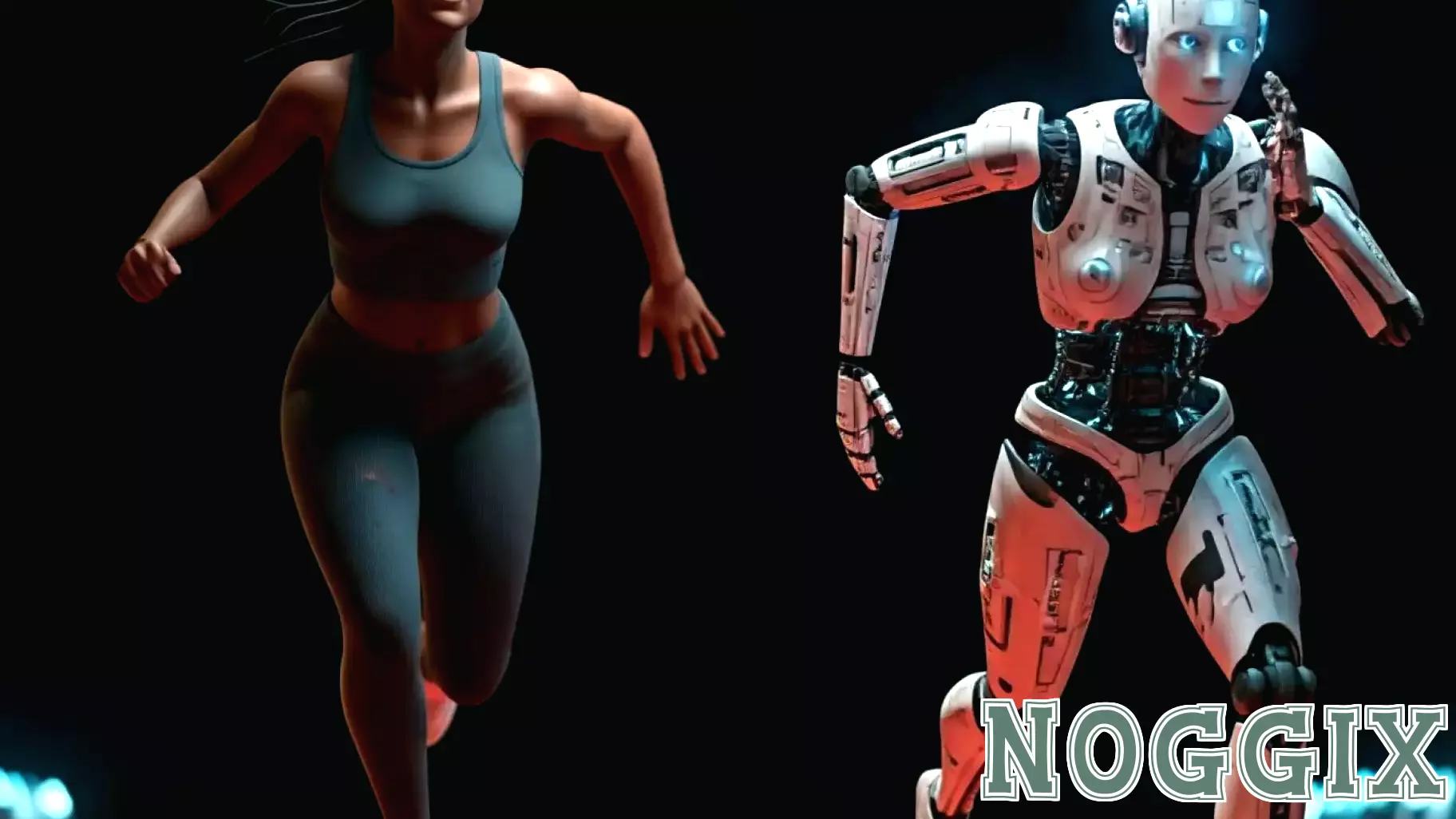
The question of whether artificial intelligence can ever truly surpass human intelligence remains a hot topic of discussion. This debate is not simply about the capabilities of AI but also about human perception and expectations. As AI technology advances, humans frequently adjust their benchmarks for what constitutes intelligence, often making it difficult for AI to be seen as superior.
AI systems have achieved remarkable feats, from beating world champions in chess to generating human-like text and art. However, each time AI reaches a new milestone, the definition of intelligence shifts. Humans tend to emphasize qualities such as creativity, emotional understanding, and ethical reasoning—areas where AI still lags behind.
This constant re-evaluation suggests that the concept of intelligence is fluid and subjective. As long as humans continue to redefine what it means to be intelligent, AI may struggle to gain recognition as a true competitor. Ultimately, the question may not be whether AI can be smarter, but rather how we define and perceive intelligence itself.
MORE NEWS

August 10, 2026 - 22:06
The Latest Casualties of the False Cause FallacyHeadlines love a simple warning. Stay up late, and your heart will suffer. Work from home, and your mind will crumble. These stories spread fast because they feel true. But the research behind them...

August 8, 2026 - 10:17
Ted Lasso Is Back: Why We Still Need to “Believe”The wait is over for fans of the show about a folksy American football coach who somehow ends up managing a struggling English soccer team. Ted Lasso is back on screens, and while the jokes and the...

August 7, 2026 - 17:44
The Two Kinds of Philosophers—And Why We Only Need OneThere is an old way of dividing thinkers, and it still holds up. Some are swallows, soaring high, mapping the whole sky from above. Others are moles, burrowing deep into a single patch of ground,...

August 7, 2026 - 01:24
New Ways to Deal With the Inner CriticThat nagging voice in your head, the one that whispers you are not smart enough, fast enough, or good enough, is a common companion for many people. For years, the standard advice was to simply...