The Rise of a New Cognitive Class: Symbionts vs. Sovereigns
January 15, 2025 - 18:45
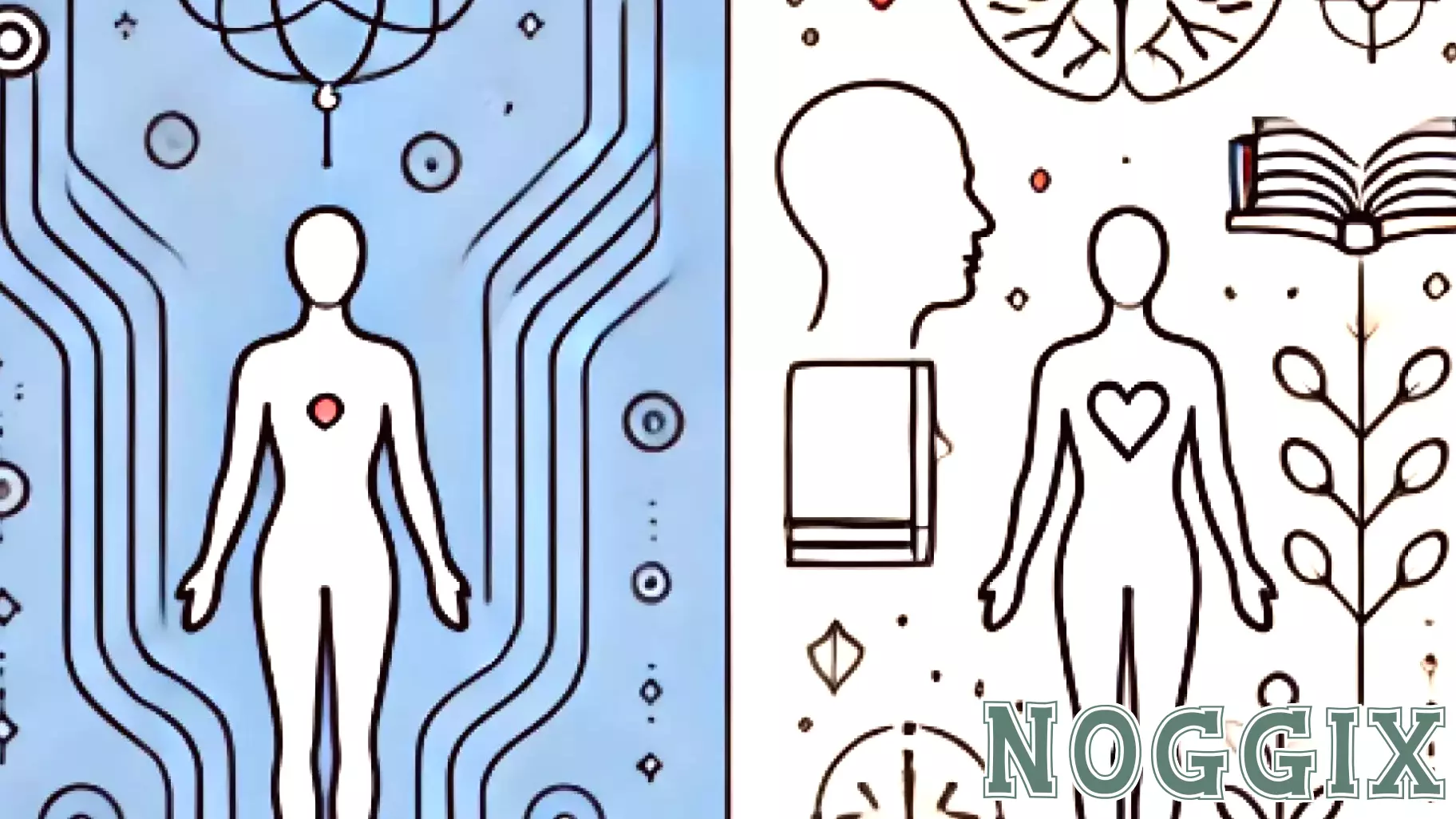
As artificial intelligence continues to permeate various aspects of daily life, a new cognitive divide is emerging. This divide is not merely about access to technology; it represents a fundamental shift in how individuals engage with machines. On one side are the "Symbionts," those who embrace AI as an extension of their capabilities, enhancing their decision-making and creativity through collaboration with intelligent systems. These individuals leverage AI tools to amplify their skills, often leading to increased productivity and innovation.
On the other side are the "Sovereigns," who prioritize autonomy and resist the integration of AI into their thought processes. They value independent thinking and are cautious about relying on machines, fearing that such dependence may erode their cognitive abilities. This division raises important questions about the future of human intelligence and creativity. As society navigates this evolving landscape, the implications of these two mindsets will shape not only individual careers but also the broader socio-economic fabric. The choice between collaboration and autonomy could define the next generation's relationship with technology.
MORE NEWS

August 20, 2026 - 03:42
Psychology says people who don't trust online doctor consultations aren't necessarily resistant to technolA new look at patient behavior suggests that people who avoid online medical consultations are not simply rejecting new technology. Psychologists point out that the hesitation often stems from a...

August 19, 2026 - 06:34
Psychology says people who keep emergency cash in multiple places may think about future uncertainty diffePsychologists suggest that the habit of stashing emergency cash in several different locations, rather than one central fund, may point to a distinct mindset around future unpredictability. People...

August 18, 2026 - 20:10
6 Reasons to Avoid Using AI in Coercive Control Legal CasesArtificial intelligence is creeping into family law, and nowhere is that more troubling than in coercive control cases. Both prosecutors and defense attorneys now use AI tools to sift through...

August 17, 2026 - 04:36
What "The Odyssey" Teaches Us About Moral InjuryChristopher Nolan`s latest film, a billion-dollar retelling of Homer`s ancient poem, is being hailed as a spectacle of gods and monsters. But beneath the cyclops and the sirens lies something far...